Case Study - Bereavement - Home Care
X

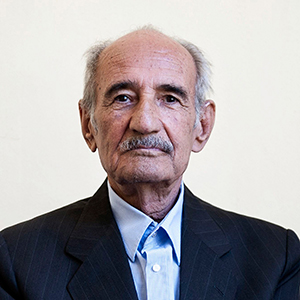
Bereavement Case Study - Amir

Layla (74 years) and Amir (78 years) have been married for 55 years. They are now retired and live in their own home. They have two married sons, Omar and Malik, and 7 grandchildren. Both their sons live over an hour away, although they visit a couple of times a month. Several neighbours on their street have known Layla and Amir for many years. Amir was diagnosed with Alzheimer’s disease about 4 years ago, and Layla has been caring for him during this time. She assists Amir with showering, dressing and eating meals, managing housework and coordinating his appointments. Since Amir’s diagnosis, Layla has taken on things he previously looked after, such as coordinating their finances and gardening. Layla says that Amir was “a force of nature” before he was unwell. She is teary when she often talks about how devoted he was to his family and worked throughout his life in his own house painting business.

Amir’s receives help through the Support at Home program with domestic care and home maintenance. However, his needs are growing. Amir is showing signs of increasing memory loss and confusion. He is now incontinent at times, which is very distressing for Layla. He is also less communicative and more withdrawn. Sometimes he is suspicious and angry towards Layla. You are aware Layla has declined offers to discuss respite services in the past.

Layla has arthritis and a knee injury from several years ago. She says she always feels tired, and she seems more easily irritated. She has stopped attending the local women’s group she used to attend, due to not wanting to leave Amir at home. She says since Amir’s behaviour has changed, her sons don’t bring the younger grandchildren to visit as often. She tells you that she misses the grandchildren so much.

Layla says that she and Amir have always avoided talking about how they would cope after the other died. She tells you that within her culture, she is expected to keep caring for Amir at home until his death. She says she would feel a sense of shame if she wasn’t able to keep doing this.

This ELDAC case study links to the bereavement section of the ELDAC Home Care Toolkit, which is one of the elements in the ELDAC care model. As you work through the case study you might find other elements within the ELDAC care model useful to review.

This case study can be used to explore how to:

  • support someone receiving home care who experiencing loss and grief
  • offer family and carers support with their own grief while they are also caring someone at home.

The case study can also be utilised as part of a group discussion or exercise within education or professional development sessions.

  • You look for ways to recognise both Amir and Layla’s grief and review their coping over time.
    • You recognise Layla is likely experiencing anticipatory grief. You reflect on how hard it must be for her to remember Amir as strong and active in the past, in contrast to the current changes in his health and well-being. You think about the related losses (e.g.: loss of Amir’s role, loss of identity, loss of control) and look for opportunities to explore Layla’s grief and offer support. For example, when Layla talks about her how she remembers Amir before his diagnosis, you say something like “You must really miss those things about Amir. I can imagine it must be so hard for you to see the changes that are happening for him.” You allow time for her to talk, and you listen carefully.
    • You offer spaces for both Amir and Layla to discuss their thoughts and feelings, if they are open to this. For example, opening a possible conversation with Amir by simply noting what seems to be happening at that time: “You seem sad today, Amir. I’m so sorry you’re going through this.”
  • You know that if Amir remains at home until the end of his life, you may be involved in providing support at the time of death, and in early bereavement. To begin to prepare yourself, you watch this brief ELDAC clip After Death Care and Bereavement for some guidance.

As you have begun to talk about dying and grief, you ask Layla if it is ok to share some more information. She agrees to this, so you share information about anticipatory grief during one of your visits (e.g. Grief before death – understanding anticipatory grief (Healthdirect). You draw on this to start a further conversation with Layla, by saying something like: “Often people don’t realise, but they can be grieving the loss of many different things when someone’s health has changed. Sometimes it helps people to know this, so that they understand how they are feeling.”

You also let Layla know about the support and information available for carers through CarerHelp.

Clinicians: You explore Layla and Amir’s preferences and needs relating to end of life. You are aware that Layla may be apprehensive about more people entering their home to assist with Amir’s needs. You ask if they have talked with their GP about their preference for Amir to be cared for and to die at home.
  • You note that Layla is no longer attending the women’s group and missing her grandchildren. You know that low levels of social support can be a risk factor for poor outcomes in bereavement. You ask whether Layla is still able to see her neighbours.
Clinicians: You draw on the Conversational Prompts in the Core Concepts for Clinicians (738kb pdf) to explore available pathways for support with questions like 'What other kinds of support has been offered (or not offered)? Has anything been helpful?'.
  • You try to learn more about Amir and Layla’s culture, their views and beliefs about illness, caring and grieving. For instance, when Layla makes comments about being expected to care for Amir, you ask if she can tell you a little more about this. You ask if Layla and Amir are connected with any important cultural or religious supports.
Clinicians: You ask Layla what it will mean to her to be able to care for Amir at home until his death. You gently explore whether there is a point at which she might consider accepting additional help (whether through her social network, or formal assistance) to enable her to do this.
  • Thinking about the risk factors related to grief and bereavement (including Prolonged Grief Disorder, and other mental health issues), you notice that Layla presents with a few factors:
  • Relationships

  • Isolation

  • Being prepared

  • Caring difficulties

She and Amir appear to have had a very close relationship.

She seems isolated from social support (no longer at women’s group, less contact with grandchildren).

She may not be well-prepared for the end of Amir’s life. She says they have avoided talking about coping after one of them died and seems very focused on caring for Amir.

It also seems caring is becoming more difficult for Layla, and she already has some health issues (arthritis, knee injury).

Care Workers: You review information about risk factors in the Core Concepts for Care Workers (450kb pdf). You discuss your concerns with your manager/supervisor, who arranges follow up to explore Layla and Amir’s preferences, advance care planning, and to offer of counselling and other support.
Clinicians: Using the Conversational Prompts in the Core Concepts for Clinicians (738kb pdf) over time, you explore these and other risk factors (e.g. whether Layla has any history of mental health concerns). You review any concerns with other clinicians or co-workers involved in Amir’s care to ensure that support is informed and coordinated.
You share information about available counselling and support and encourage Layla to consider this. You explain that sometimes carers find it helpful to talk to someone while caring, as well as after they finish caring. You tell Layla that it’s possible to access support on the phone if she doesn’t want to leave Amir alone. For example, Griefline (Ph: 1300 845 745, 8am to 8pm, 7 days a week) provide grief and loss support and counselling via telephone.
  • When Amir deteriorates further, you review Amir and Layla's coping, risk factors, and support needs - and respond at needed.

Key Messages

  • Grief support begins well before a death occurs and includes support with anticipatory grief.
  • You are well-placed to provide basic grief support at home for older people and their family and carers.
  • Share relevant information and education about end of life, grief and bereavement, and available support.
  • Be proactive in responding to any concerns about the coping of an older person and their family or carers. Notice possible signs that people may be at risk of poor well-being while caring, or negative outcomes related to grief and bereavement. Seek advice or signpost to other support services where people may have extra needs.
  • This case demonstrates the application of the ELDAC Grief and Bereavement Practice Tips for Care Workers (375kb pdf) or Clinicians (441kb pdf). Use these practice tips to guide your own work.
  • The Grief and Dementia factsheet (281kb pdf) has tips for supporting people living with dementia who are experiencing grief and bereavement.